

Eating Fiber Reduces Your Risk of Heart Disease
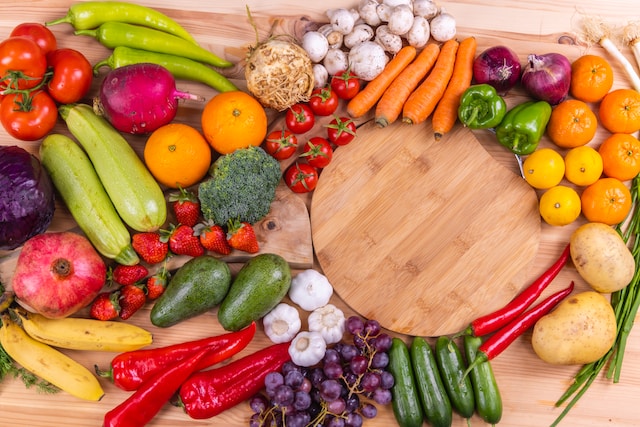
Aside from keeping you “regular,” eating fiber also appears to be good for your heart. A new review has shown that increased consumption of dietary fiber is associated with a significantly lower risk of cardiovascular disease (CVD) and congestive heart disease (CHD).
For every 7 g of dietary fiber eaten daily—which can be achieved by eating two to four servings of fruits and vegetables, or a serving of whole grains plus a portion of beans or lentils—the risks of CVD and CHD were each lowered by 9%, according to a meta-analysis published December 19, 2013 in BMJ.
Eating Nuts Daily Reduces Heart Disease Deaths By Nearly 30 Percent.
A group of researchers from the Dana-Farber Cancer Institute, Brigham and Women’s Hospital, and the Harvard School of Public Health have published the results of a study in the prestigious New England Journal of Medicine that explains how people who ate a daily handful of nuts were 20 percent less likely to die from any cause over a 30-year period than those who didn’t consume nuts were. Regular nut-eaters were found to be more slender than those who didn’t eat nuts, a finding that should alleviate the widespread worry that eating a lot of nuts will lead to excess weight gain.
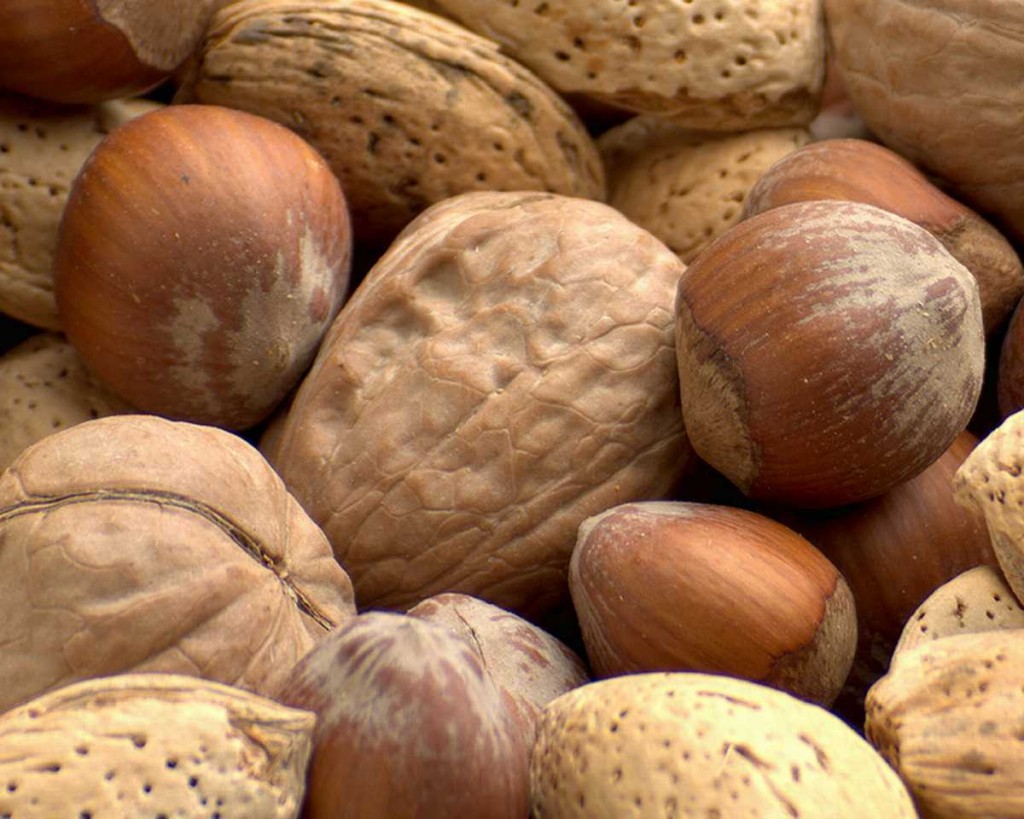
Researchers found that individuals who ate a serving of tree nuts less than once a week had a 7 percent reduction in mortality (tree nuts included walnuts, hazelnuts, almonds, Brazil nuts, cashews, macadamias, pecans, cashews, pistachios and pine nuts). Those consuming a serving once a week experienced an 11 percent reduction; two to four times per week, a 13 percent reduction; five to six times per week, a 15 percent reduction; and seven or more times a week, a 20 percent reduction in death rate.
Risk reductions were seen across a number of potentially fatal chronic illnesses, including cancer, heart disease, stroke and diabetes, as the scientists attributed lower death rates to an improvement in cholesterol ratios and reductions in oxidative stress, inflammation, adiposity and insulin resistance. The lead study author, Dr. Charles Fuchs, concluded, “The most obvious benefit was a reduction of 29 percent in deaths from heart disease, the major killer of people in America. But we also saw a significant reduction, 11 percent, in the risk of dying from cancer.”

Medical Myths of Heart Disease
You can read more about the medical myths associated with heart disease here https://superhealthyhuman.com/heart-disease/
I Recommend The Paleo Diet
The Paleo diet is a nutrient-dense whole foods diet based on eating a variety of quality meat, seafood, eggs, vegetables, fruits, nuts, and seeds. It improves health by providing balanced and complete nutrition while avoiding most processed and refined foods and empty calories.
Our oldest cousins, the earliest primates, lived more than 60 million years ago. And, just like most primates today, their diet was mainly fruit, leaves, and insects.
About 2.6 million years ago, at the dawn of the Paleolithic era, things began to change. Our early human ancestors started using stone tools and fire, and, as a result, slowly changed their diet.
By the time truly modern humans came on the scene about 50,000 years ago, our ancestors were eating an omnivorous hunter-gatherer diet.
It has gained popularity as it claims to cater to our body’s needs and emulate dietary patterns our predecessors followed, in order to be fit and healthy. With the growing awareness of the harmful effects of processed and refined foods, the Paleo diet has gained a lot of attention and is considered to be a healthier alternative.
While the Paleo diet focuses on eating whole foods, it restricts not just processed and refined foods, but also foods that became common once humans settled down and started farming, like, beans, grains, dairy products, salt, sugar, alcohol, coffee, and other such food items. This can make the Paleo diet more restrictive than most.
Foods allowed by the Paleo diet include –
- Fruits and vegetables.
- Lean cuts of ideally grass-fed or organically raised animals like beef, lamb, poultry, and pork, or wild game like quail, or bison.
- Fish, especially those rich in omega-3 fatty acids, such as salmon, mackerel, trout, and albacore tuna, along with seafood like shrimps, shellfish, etc.
- Nuts and seeds, in moderation.
- Natural, healthy oils like olive oil, flaxseed oil, or walnut oil.
- Sea salt and spices like garlic, thyme, turmeric, rosemary, etc.
Foods restricted by the diet include-
- Grains like wheat, rice, oats, rye, and barley.
- Bread, pasta, noodles, cakes, pastries, etc.
- Legumes, which includes lentils, beans, peanuts, and peas.
- Milk and other dairy products like cheese, butter, or yogurt.
- Refined sugar, honey, or other sweets.
- Refined salt.
- Added sugar in foods and drinks, or artificial sweeteners.
- Potatoes and Starchy vegetables.
- Food items containing trans fats, and certain vegetable oils like sunflower oil, soybean oil, grapeseed oil, safflower oil, and others.
- Highly processed and junk foods; processed and cured meats like deli meats, bacon, and hot dogs.
Some of the health benefits of the Paleo diet are listed below:
- Weight loss
The inclusion of whole foods and restriction of processed foods, sugar, and unhealthy fats in the Paleo diet can support weight loss and reduction in body fat.
Studies have shown that the Paleo diet could positively affect fat mass, waist circumference, and triglyceride levels in postmenopausal women with obesity. Another study found that a Paleo diet could help healthy women lose more weight, as compared to regular low-fat diets.
- Diabetes Management and Heart Health
People with type 2 diabetes are often likely to develop cardiovascular diseases and are more likely to die of it as well, compared to those without diabetes. Preliminary research has shown that Paleo diets could help manage and improve both these conditions.
Studies have shown that following the Paleo diet can improve glucose tolerance, attenuate the secretion of insulin, leading to better insulin sensitivity, and reduce the levels of cholesterol, low-density lipoproteins (LDL), and triglycerides.
A similar study involving individuals with type 2 diabetes found that those who consumed a Paleo diet, achieved better regulation of glucose levels, and improved lipid profiles and insulin sensitivity, than those who consumed a conventional diet allowing salt, low-fat dairy, whole grains, and legumes .
Yet another study showed that a Paleo diet could help people with type 2 diabetes reduce body fat, increase insulin sensitivity, and improve glycemic control and leptin levels, leading to greater metabolic balance, without any exercise. Moreover, male participants who supplemented the Paleo diet with exercise, reported improved heart health and preserved lean muscle mass as well .
A study reported that the Paleo diet could lead to enhanced improvement in various aspects of the metabolic syndrome in the short term, compared to guideline-based control diets. The study found that for people with metabolic syndrome, following the Paleo diet resulted in improvements in blood pressure and fasting blood sugar levels, waist circumference, and triglyceride levels.
Being rich in anti-inflammatory, and low carbohydrate and low GI foods like a variety of fruits, vegetables, unsaturated fats, and healthy oils, especially those containing omega-3 fatty acids, the Paleo diet could also protect from inflammation and chronic health conditions, and improve overall health and wellbeing.
Everyone Has a Story in Life
A 24 year old boy seeing out from the train’s window shouted…
“Dad, look the trees are going behind!”
Dad smiled and a young couple sitting nearby, looked at the 24 year old’s childish behavior with pity, suddenly he again exclaimed…
“Dad, look the clouds are running with us!”
The couple couldn’t resist and said to the old man…
“Why don’t you take your son to a good doctor?” The old man smiled and said…“I did and we are just coming from the hospital, my son was blind from birth, he just got his eyes today.”
Every single person on the planet has a story. Don’t judge people before you truly know them. The truth might surprise you.
My Natural Shingles Remedy
Shingles is a viral infection that causes a painful rash. Although shingles can occur anywhere on your body, it most often appears as a single stripe of blisters that wraps around either the left or the right side of your torso.

Shingles is caused by the varicella-zoster virus — the same virus that causes chickenpox. After you’ve had chickenpox, the virus lies inactive in nerve tissue near your spinal cord and brain. Years later, the virus may reactivate as shingles. One of the most clinically relevant properties of varicella virus is the ability to establish a latent infection.
This means that the virus can lay dormant in the body, becoming “reactivated” under certain conditions, and manifest symptoms long after the initial infection. This reactivation can occur as a result of local injury, or systemic factors such as emotional stress, fever, trauma, chronic illness or lowered immune function. In fact the combination of stress, which lowers a person’s immune system, and resulting low immune system the catalyst for the majority of shingles cases.
Typically, the first and the most common symptom of shingles is pain, which presents in approximately 75% of people who go on to develop a rash The pain is sometimes described as a burning, throbbing, or stabbing sensation that is localized to the area of the skin that will later be affected by the rash. During this time, which is also known as the “prodromal period”, patients may also experience headache, malaise, earache, sensitivity to light, and fever. These symptoms may appear up to 5 days before the rash.
Typically, after prodromal symptoms occur, a rash will develop. However, in some people, a rash may appear before they experience pain. In addition, some patients will have pain, but will not develop a rash; this is called “zoster sine herpetica.” Shingles attacks nerve cells.
The lesions caused by shingles have a characteristic location and distribution: they may be limited to one side of the body and are localized to a “strip” of skin, also known as a dermatome, which represents the skin area that is served by the nerves of a single ganglion. In about 20% of patients, adjacent dermatomes can be affected. The most commonly affected areas are on the side of the trunk around the waistline and the second most common is the face around the eye/ forehead. The skin lesions typically take 2 to 4 weeks, or sometimes even longer, to heal and they may cause permanent scarring or skin pigmentation changes.
Traditional Treatment
The standard treatment for both shingles and herpes is antiviral medication. The main antiviral medications used for shingles are acyclovir (Zovirax®), famciclovir (Famvir®), and valacyclovir (Valtrex®). All three medications can be taken orally and reduce pain and speed healing of the lesions; though famciclovir and valacyclovir are often preferred because they require less frequent dosing (three times per day as opposed to five for acyclovir).
The utility of acyclovir more than 72 hours after the lesions appear is unknown in otherwise healthy individuals.
Over The Counter Topical Cream
Another treatment option is to use local creams that contain the compound capsaicin (Zostrix®). Capsaicin is the ingredient in peppers that generates the sensation of “heat” in the mouth. When formulated into a cream or ointment, it can be applied to areas of the body that are still painful after the shingles blisters are gone to reduce pain. When applied, capsaicin creams generate a mild “burning” sensation. Capsaicin causes the release of a neurotransmitter (Substance P) from nerve cells, and its repeated application depletes the nerve stores of the compound, reducing pain transmission.
Available over the counter at most drug and health food stores. Follow the label and be careful, this stuff can burn; a little goes a long way.
Over The Counter Remedy
Cimetidine (Tagamet®) is a medication commonly used for treating acid reflux (GERD). It inhibits the production of stomach acid by blocking the signaling pathway for histamine. Histamine signaling modulates the immune response to some viruses as well, and researchers have shown that oral administration of cimetidine significantly accelerates the healing of skin lesions and provides pain relief in adults with shingles.
There are numerous case studies demonstrating that cimetidine or Tagamet may reduce the severity and duration of symptoms of both shingles and herpes outbreaks. I recommend taking 200mg-400mg for times times a day. Take on an empty stomach. Take along with L-Lysine — see below. Available over the counter at any drug store.
L-Lysine
The herpes simplex virus (including varicella) requires large amounts of the amino acid arginine to replicate properly. Lysine, another amino acid, has a similar structure to arginine and counters its effects, making it harder for the virus to replicate.
A double blind, placebo-controlled study that included participants with oral-facial or genital herpes, found that consumption of one gram of L-lysine three times per day for 6 months reduced the frequency, duration, and severity of herpes outbreaks. Other studies have also found that lysine supplementation can reduce the frequency of cold sores that occur during HSV-1 infection. Overall, lysine appears to be able to reduce the intensity and the frequency of HSV flare-ups when it is used regularly.
I recommend taking 500mg 3-4 times a day. L-Lysine can be purchased over the counter at most dug stores and health food stores.
Lemon Balm
Lemon balm (Melissa officinalis) is a form of mint used traditionally to treat numerous of ailments, including herpes outbreaks. Several laboratory experiments have shown lemon balm extracts possess a variety of antiviral activities against both HSV-1 and HSV-2. I recommend applying to lesion and along the dermatome (nerve involved) in between using capsaicin cream. Lemon balm can be purchased over the counter at most drug and health food stores.
Boost Your Immune System
Shingles raises its ugly head when too much stress compromises our immune system. To build up your immune system I recommend taking a good optimal multivitamin on a daily basis. I also suggest taking 2-3 grams of fish oil on a daily basis.
Lactoferrin is a protein found in both cow and human milk. It has natural antimicrobial properties and is able to help protect the body from bacterial, fungal, parasitic, and viral infections. In particular, many studies have shown that lactoferrin is able to inhibit the replication of varicella, HSV-1 and HSV-2 and also block the virus from entering cells. It can be purchased over the counter at most health food stores.